

The Environmental & ESG Benefits of Plastic Pelletizing: Reducing Waste and Carbon Footprint
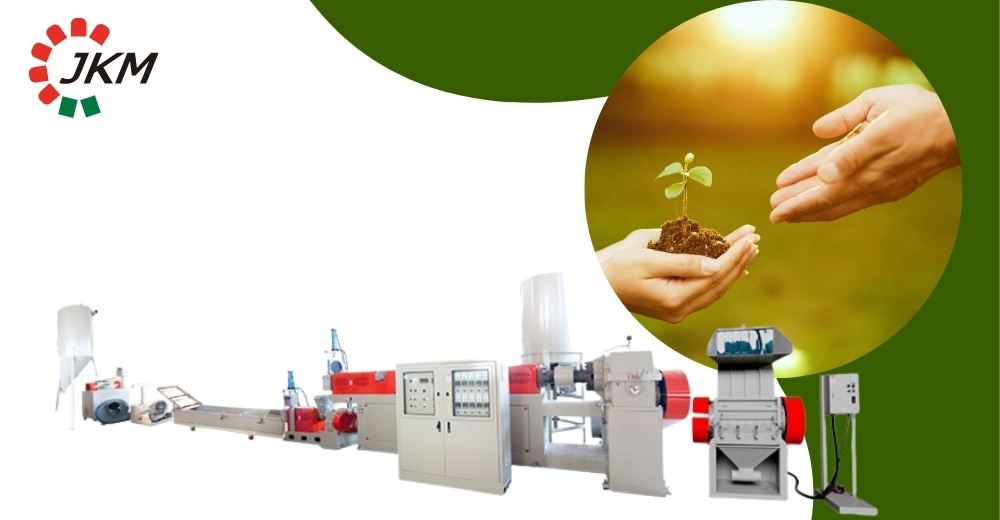
In recent years, plastic sustainability has shifted from a peripheral concern to a central strategic priority for manufacturers worldwide. The traditional linear economic model — Extract, Manufacture, Dispose — is no longer viable in an era where resource scarcity, environmental regulations, and climate commitments demand more responsible production practices. Central to this transformation is the ability to turn plastic waste into reusable raw material. High‑quality plastic pelletizing technology serves as the critical bridge between waste and value creation.
At the forefront of this transition is Jian Kwang Machine (JKM), a Taiwan‑based leader in plastic recycling and pelletizing machinery. With deep expertise in extrusion and recycling technologies, JKM has developed advanced systems such as the Two‑Step Plastic Recycling Machine to address complex waste challenges and produce recycled pellets with quality comparable to virgin materials. Through these innovations, JKM empowers manufacturers to meet their ESG targets while ensuring superior product quality and operational efficiency.
1.Carbon Footprint Comparison: Recycled vs. Virgin Plastic
One of the most closely monitored metrics in ESG reporting is carbon emission intensity. Plastic production from fossil feedstocks — especially virgin polyethylene (PE) and polypropylene (PP) — is energy intensive and emits significant greenhouse gases. According to international research, replacing virgin plastic with recycled plastic can reduce carbon emissions by 60% to 80% per ton of material.
However, achieving such reduction requires efficient and energy‑optimized recycling processes. JKM’s pelletizing systems incorporate precision temperature control, high‑efficiency motors, and optimized thermal profiles to minimize energy consumption during melting, filtering, and pelletizing. This means that not only do manufacturers save on raw material costs, but they also contribute directly to:
- Scope 3 emissions reporting
- Lower energy intensity per unit produced
- Measurable carbon reduction in sustainability disclosures
By integrating high‑performance recycling technology into their operations, companies can substantiate their ESG narrative with quantifiable environmental gains.
2. Tackling Hard‑to‑Recycle Waste: The Two‑Step Advantage
Traditional single‑stage recycling machines often struggle with high‑contamination or high‑moisture waste streams, including heavily printed films, industrial packaging, and agricultural films. When such materials are processed in a basic extruder, the output pellets often exhibit:
- Internal gas voids
- Surface imperfections
- Poor mechanical properties
- Inconsistent melt flow
This results in downgraded material (down‑cycling) that is only suitable for low‑value applications, undermining the true potential of a circular economy.
JKM’s Two‑Step Plastic Recycling Machine is designed specifically to address this limitation. Its technological advantage lies in dual filtration and staged degassing:
Stage 1 — Primary Extrusion & Filtration
The first screw and filter assembly focus on melting and coarse impurity removal. High torque and robust screw geometry enable effective processing of challenging feedstocks, from contaminated films to mixed industrial scrap.
Stage 2 — Secondary Extrusion & Deep Degassing
The second stage stabilizes melt pressure and lengthens residence time, providing enhanced air and volatile gas removal. This is particularly critical for materials retaining moisture or residual ink components after washing.
As a result, the output pellets are:
- Dense and bubble‑free
- Glossy and uniform in appearance
- Mechanically stable and processable
- Suitable for high‑value applications such as blown film, injection molding, and compounding
This up‑cycling capability elevates recycled plastics into markets previously dominated by virgin resins.
3. Reducing Waste and Maximizing Resource Efficiency
Reducing environmental impact goes beyond carbon — it also involves minimizing solid waste and maximizing the utility of every input. Many manufacturing facilities generate significant quantities of post‑industrial plastic waste in the form of edge trim, rejects, and off‑spec products. Without recovery systems, these materials are often disposed of, leading to high waste handling costs.
By implementing JKM’s integrated recycling systems, factories can create an internal micro‑loop that:
- Channel scrap directly into recycling workflows
- Reduce disposal and handling fees
- Generate reusable pellets for direct reintegration
This internal recycling loop decreases dependence on virgin resin procurement and supports the concept of a Zero Waste Factory, an increasingly important differentiator for global brands with stringent supplier requirements — including Nike, Adidas, IKEA, and other sustainability‑driven companies.
4. Operational Sustainability: Durability and Long‑Term Reliability
The Governance (G) component of ESG emphasizes operational excellence and risk mitigation. Frequent breakdowns, short equipment lifespans, and unreliable performance not only harm productivity but also contradict the principles of sustainable operations.
JKM designs its pelletizing systems with robust materials and reliability in mind:
- Screws and barrels made from hardened alloy steel resist abrasion from contaminants and regrind materials
- Corrosion‑resistant components ensure stability even when dealing with moist or chemically aggressive waste
- Automated temperature and pressure feedback systems minimize reliance on operator intervention, reducing human error and enhancing safety
5. Flexibility to Meet Evolving Market Requirements
Global regulations such as the EU’s Packaging and Packaging Waste Regulation (PPWR) and extended producer responsibility (EPR) frameworks are raising the bar for recycled content and material transparency. Meanwhile, recycled plastics come in increasingly diverse types:
- HDPE, LDPE, LLDPE
- PP, PS, ABS
- PET blends and post‑consumer mixtures
JKM’s Two‑Step system incorporates modular design elements — including interchangeable die heads, strand vs. pellet cutting options, and adjustable screw configurations — allowing recyclers to adapt quickly to shifting market needs. This flexibility empowers processors to produce tailored recycled pellet grades to meet customer, brand, or regulatory demands.
FAQ
Q1: How does the JKM Two‑Step system differ from a standard pelletizer?
A1: The Two‑Step system features two sequential extrusion and filtration stages, enabling deeper degassing and more effective removal of moisture and volatile contaminants. This results in higher quality and more stable recycled pellets compared to single‑stage systems.
Q2: What types of plastic waste can be processed?
A2: The system handles a wide range of thermoplastics, including PE, PP, PS, ABS, EVA, TPR, and mixed industrial scrap. It performs well with both clean and challenging feed streams.
Q3: How does recycling with pelletizing support ESG reporting?
A3: By generating measurable reductions in waste disposal volumes and carbon emissions, and by demonstrating the use of recycled feedstocks, this technology contributes quantifiable data that enhances sustainability reports, ISO 14001 certification efforts, and Eco Vadis or GRI disclosures.
Q4: Is maintenance complex or costly?
A4: JKM prioritizes durability and ease of maintenance. The system uses wear‑resistant components and features hydraulic screen changers for filter replacement without stopping production, minimizing downtime and long‑term operational costs.
Q5: Do high‑moisture feedstocks require pre‑drying?
A5: No. Due to its robust degassing and venting design, the Two‑Step system can often process wet feed directly after preliminary dewatering, eliminating additional drying stages and saving energy.
Conclusion: Defending a Green Future with Technological Excellence
Reducing plastic waste and carbon emissions is no longer optional — it’s a strategic imperative for modern manufacturers. The choice of pelletizing technology determines whether your company is merely disposing of waste or genuinely transforming it into value.
The JKM Two‑Step Plastic Recycling Machine demonstrates that environmental stewardship and profit can go hand in hand. With superior degassing capabilities, reliable pellet quality, and energy‑efficient operation, this system enables businesses to achieve:
- High‑grade recycled pellets
- Lower production costs and carbon footprint
- Stronger ESG performance
- Enhanced competitiveness in global markets
Through JKM’s tailored solutions and deep recycling expertise, companies can harness the full potential of plastic recycling — turning waste into high‑value materials and building a resilient, sustainable future.
Contact JKM today for a customized recycling solution that fits your production needs and material characteristics.